Ontarians Are Skipping U.S. Trips in 2026 — Here’s What They’re Doing Instead
Over the past year, I’ve noticed a quiet shift in how Ontarians are planning their travel. Conversations that once centred on Florida, California, and long weekends south of the border are changing. Fewer people are talking about U.S. trips in 2026. More people are asking a different question.
Where can we go in Canada that feels special?
Between exchange rates, travel fatigue, and a growing desire to support Canadian destinations, many Ontarians are rethinking the default U.S. getaway. And instead of settling for something smaller or less exciting, they’re choosing experiences that feel just as memorable without crossing the border.
Trading U.S. City Breaks for Canadian Standouts
For years, American cities filled a familiar role for Ontario travellers. Easy flights, recognizable attractions, predictable weather. That appeal hasn’t disappeared, but it’s no longer automatic.
In 2026, I’m seeing more Ontarians replace those trips with:
- West Coast city breaks
- Mountain-and-city combinations
- Nature-forward trips with strong food and culture scenes
Cities that offer variety without hassle are winning attention. That’s where Vancouver keeps coming up.
Why Vancouver Is Pulling Ontarians West
Vancouver isn’t trying to compete with U.S. destinations by copying them. It wins by offering something different — and distinctly Canadian.
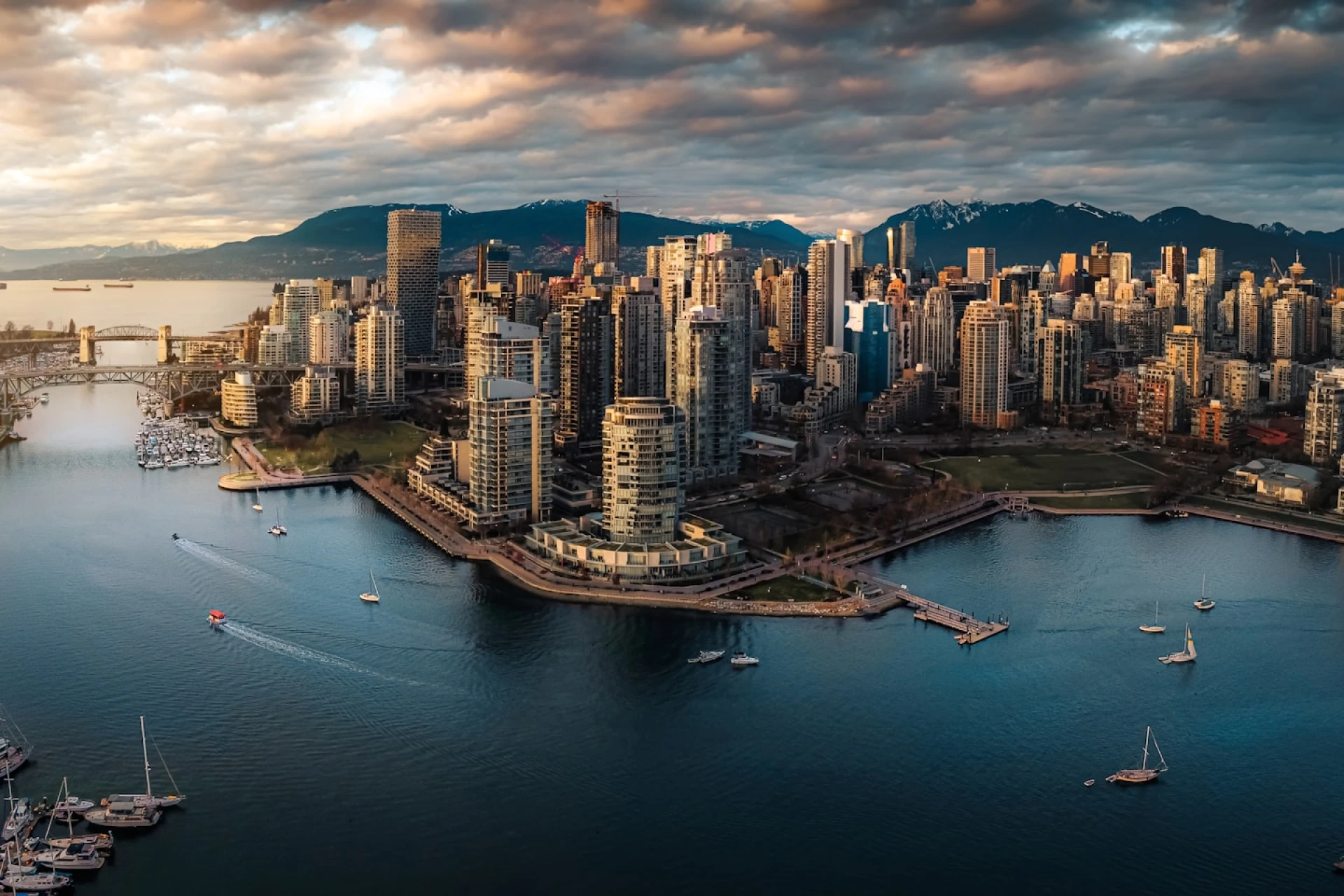
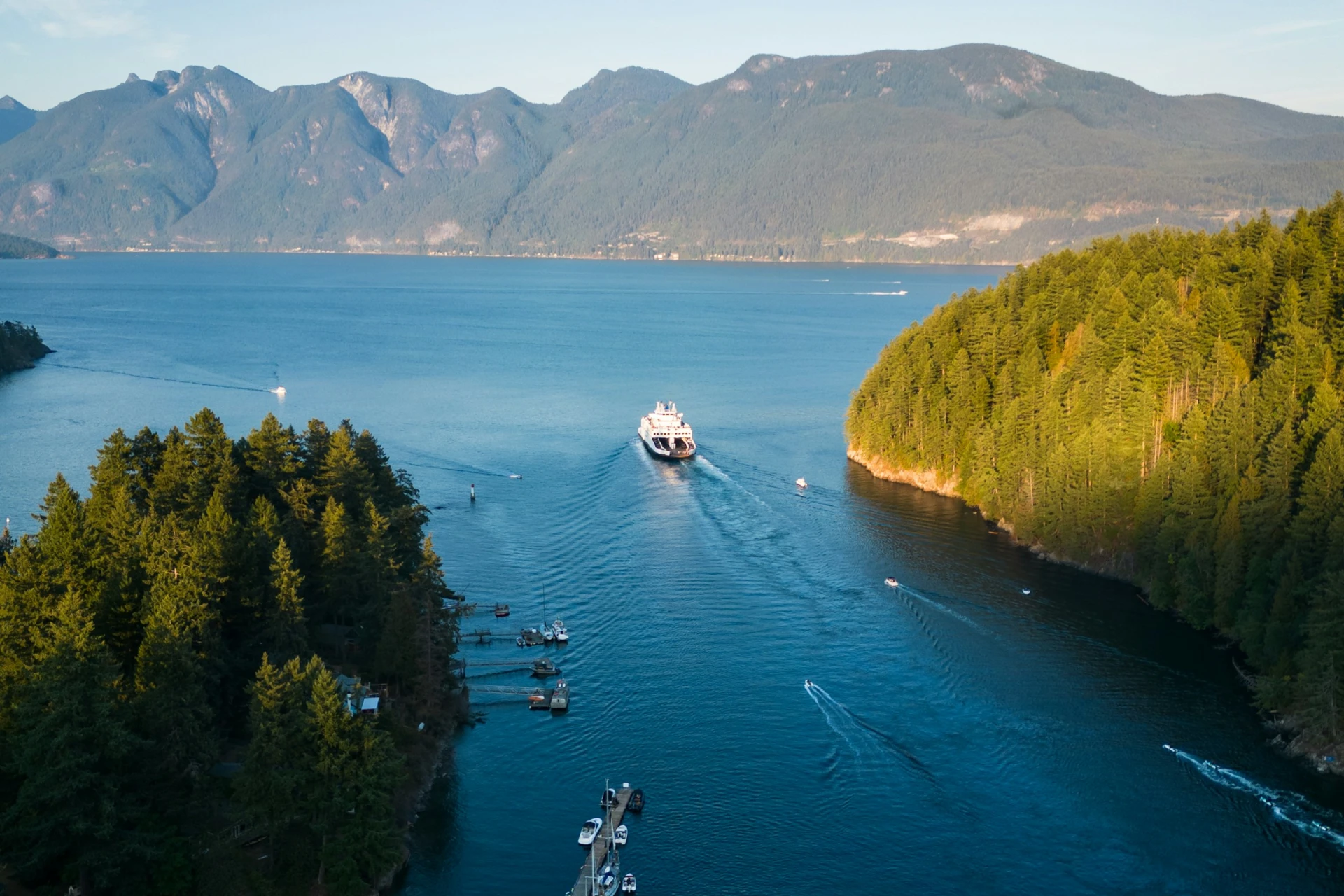
You land and immediately notice how close everything feels. Ocean beside mountains. Dense urban neighbourhoods beside forested trails. You can walk, explore, and still slow down.
For Ontario travellers used to planning around long drives or packed itineraries, that balance matters.
A typical Vancouver trip now replaces what used to be:
- A New York city break
- A California coastal trip
- A Pacific Northwest U.S. itinerary
With fewer logistical headaches and a noticeably different pace.
Nature Is the New Luxury
One of the biggest changes I’ve noticed is how Ontarians define a “good” trip. It’s no longer about doing more. It’s about feeling better while travelling.
Vancouver fits that shift perfectly.
You can spend a morning walking along the seawall, an afternoon exploring Stanley Park near Prospect Point or the Stanley Park Pavilion, and still have energy left for dinner. You can be surrounded by rainforest less than 30 minutes from downtown. Experiences like Capilano Suspension Bridge Park deliver that sense of immersion without requiring a full-day excursion or backcountry commitment.
For many Ontarians, that mix feels more restorative than another packed U.S. itinerary.
Domestic Travel Feels Easier — and More Intentional
There’s also a practical side to this shift. Staying in Canada removes friction.
No border waits. No currency stress. No phone plans to adjust. Travel feels simpler, and that simplicity changes how people experience their time away.
I hear it from readers often: trips within Canada feel more intentional. Less rushed. Less transactional.
When you choose Vancouver, you’re choosing a place that rewards that mindset.
Shorter Trips, Bigger Payoff
Another pattern I’m seeing is fewer long vacations and more well-planned, shorter trips. Vancouver works beautifully for this.
A long weekend or five-day stay delivers:
- Urban exploration
- Iconic West Coast scenery
- Food and neighbourhood culture
- Easy day trips without packing and unpacking
It’s efficient in the best way. You leave feeling like you truly experienced the place, not like you just checked boxes.
What Ontarians Are Really Choosing in 2026
Skipping U.S. trips isn’t about sacrifice. It’s about alignment.
Ontarians are choosing:
- Experiences over distance
- Balance over intensity
- Canadian destinations that feel world-class
Vancouver sits at the centre of that decision. It offers the scale, scenery, and sophistication people once crossed the border for — with a tone that feels calmer and more grounded.
If 2026 travel planning looks different than it did a few years ago, this shift explains why. And if you’re wondering where Ontarians are going instead, the answer keeps pointing west.